Mr Garage Doors of Canada Inc. Winnipeg
204-900-0608

Preventing Snow & Ice Buildup Around Your Garage Door
Summary
Canadian winters can cause serious garage door issues due to snow and ice buildup. This blog explains why ice and snow damage garage doors, highlights common problem areas like bottom seals and tracks, and outlines practical ways to prevent freezing and blockages. It also covers safe de-icing methods, seasonal maintenance tips for homeowners, and when to call a professional. By taking proactive steps, homeowners can avoid costly winter garage door repairs and keep their doors operating safely all season long.
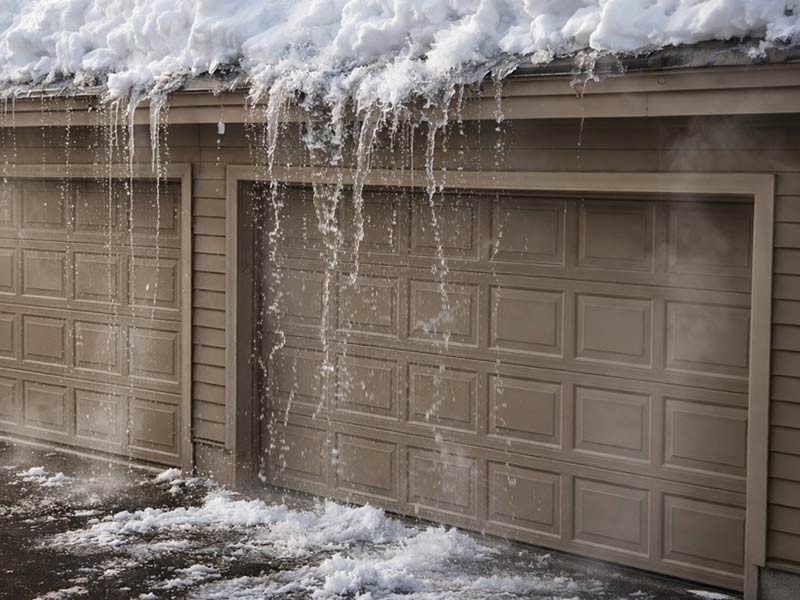
How to Prevent Snow & Ice Buildup Around Your Garage Door
Winter in Canada especially in Calgary and across Alberta can be brutal on garage doors. Heavy snowfall, freezing rain, and extreme temperature swings often lead to garage door snow buildup, ice formation, and doors that refuse to open when you need them most. If you’ve ever dealt with a frozen or jammed door on a cold morning, you already know how frustrating and damaging winter conditions can be.
In this guide, we’ll explain why snow and ice are such a serious issue, where buildup usually occurs, and how to prevent ice around your garage door before it turns into costly repairs.
Why Snow and Ice Are a Serious Problem for Garage Doors in Winter
Canadian winters bring unique challenges that homeowners can’t ignore. Winter garage door problems are often stem from ice accumulation and persistent snow buildup.
Freezing Shut
One of the most common issues is a garage door freezing to the ground. Melted snow refreezes overnight, bonding the door to the concrete. Forcing it open can tear the bottom seal or damage door panels, creating long-term problems.
Strain on the Garage Door Opener
When snow or ice blocks movement, the opener works harder than it should. This added resistance can burn out motors, strip gears, or throw the door off its track leading to expensive repairs and unexpected downtime.
Water Damage and Corrosion
Repeated freeze-thaw cycles allow water to seep into metal components, tracks, and door panels. Over time, this moisture can cause rust, warping, and even ice damage to garage door sections that were otherwise in good condition.
Common Areas Where Ice Builds up Around Garage Doors
Before calling for garage door repair, there are a few safe troubleshooting steps you can attempt. However, it’s crucial to know your limits, garage door systems involve high-tension springs and heavy components that pose serious injury risks.
- Visual inspection: Look for obvious ice buildup along tracks, rollers, and the bottom seal. Check if anything appears broken or misaligned.
- Reset the opener: Unplug your garage door opener for 30 seconds, then plug it back in. This simple reset resolves some electronic glitches.
- Clear visible ice: If the door is frozen to the floor, you can carefully pour warm (not boiling) water along the seal to break the ice bond. Never force the door open.
When You Need Emergency Garage Door Repair
Knowing where ice tends to form helps you stay ahead of winter damage.
Bottom Seals
The rubber seal at the base of the door is the most vulnerable area. Snow melts during the day and freezes overnight, trapping the seal in ice and increasing the risk of tearing or cracking.
Tracks
Ice inside the vertical and horizontal tracks can prevent smooth movement. Even small ice chunks can cause alignment issues or lead to garage door freezing issues that worsen over time.
Door Panels
Snow packed against the exterior of the door can freeze solid, adding weight and pressure. This can cause dents, warping, or insulation damage especially in older doors.
Simple Ways to Prevent Snow & Ice Accumulation
Preventing problems is always easier and cheaper than fixing them. These simple steps can significantly reduce snow blocking your garage door during winter.
Clear Snow Regularly
Shovel snow away from the garage door after every snowfall. Pay special attention to the bottom edge and sides where drifting snow tends to pile up. Keeping the area clear reduces melt-and-refreeze cycles that cause ice buildup.
Install or Replace Weather Seals
High-quality weather stripping and bottom seals are essential for winter garage maintenance. If your seals are cracked, brittle, or missing, cold air and moisture will get in. New seals create a tight barrier that keeps snow and ice out.
Use Safe De-Icing Methods
Avoid harsh chemicals like rock salt, which can corrode metal and damage concrete. Instead:
- Use calcium magnesium acetate or pet-safe ice melt
- Apply silicone spray to the bottom seal to prevent sticking
- Lay a rubber mat or garage threshold seal to block moisture from entering
These methods help prevent ice around garage doors without causing damage.
When Ice Damage Requires Professional Garage Door Service
Some winter issues go beyond DIY fixes. If you notice grinding noises, uneven movement, bent tracks, or repeated freezing despite preventive steps, it’s time to call a professional. Persistent ice damage can compromise the door’s safety and reliability.
Ignoring these signs may lead to complete door failure or costly emergency repairs something no homeowner wants during a Calgary cold snap.
Winter Garage Door Maintenance Tips for Homeowners
Proactive maintenance is key to surviving Canadian winters without garage door headaches.
- Inspect seals and weather stripping before winter begins
- Lubricate moving parts with cold-weather-rated lubricant
- Check track alignment and remove debris regularly
- Test the opener’s auto-reverse function monthly
- Keep drainage clear to prevent water pooling near the door
Routine care reduces winter garage door problems and extends the lifespan of your door and opener.
Frequently Asked Questions About Winter Garage Door Problems
Why does my garage door freeze in winter?
Snow melts during the day and refreezes overnight, causing the door to stick to the ground or tracks common during Calgary winters.
Can ice damage my garage door?
Yes. Ice can strain the opener, damage seals, bend tracks, and cause long-term wear on garage door components.
Is it safe to force a frozen garage door open?
No. Forcing it can damage the opener, panels, or tracks. Safe de-icing or professional service is recommended.
What’s the safest way to remove ice around a garage door?
Use pet-safe ice melt or calcium magnesium acetate and avoid rock salt, which can cause corrosion and concrete damage.
When should I call a professional?
If your garage door repeatedly freezes, moves unevenly, makes loud noises, or won’t open, it’s time to call a professional.
Need Emergency Garage Door Repair? Mr. Garage Doors Is Here to Help
Don’t let a frozen or broken garage door leave you stranded in the cold. Mr. Garage Doors provides fast, reliable same-day garage door repair throughout Alberta. Our experienced technicians understand winter garage door problems and arrive equipped with the right parts and expertise to get your door working safely again.
✓ Serving Winnipeg, Calgary, Edmonton, Airdrie & Area
✓ Experienced with Winnipeg and Alberta Winter Conditions
✓ Upfront Pricing & Professional Service
Call Mr. Garage Doors today to schedule your repair. We’re ready to restore your garage door’s function and your peace of mind.