Mr Garage Doors of Canada Inc. Winnipeg
204-900-0608

What to Do When Your Garage Door Gets Stuck in Snow?
As winter sets in, one of the most common problems homeowners face is a garage door stuck in the snow. Whether it’s due to accumulated snow blocking the tracks, freezing temperatures causing the door to malfunction, or a combination of both, a garage door that’s stuck in snow can be frustrating, especially during those early mornings when you’re trying to get out the door.
At Mr. Garage Doors, we understand that winter can be tough on your garage door system, and we’re here to help you get back on track. In this guide, we’ll walk you through what to do when your garage door gets stuck in the snow, how to prevent it from happening in the future, and when to call in the experts for help.
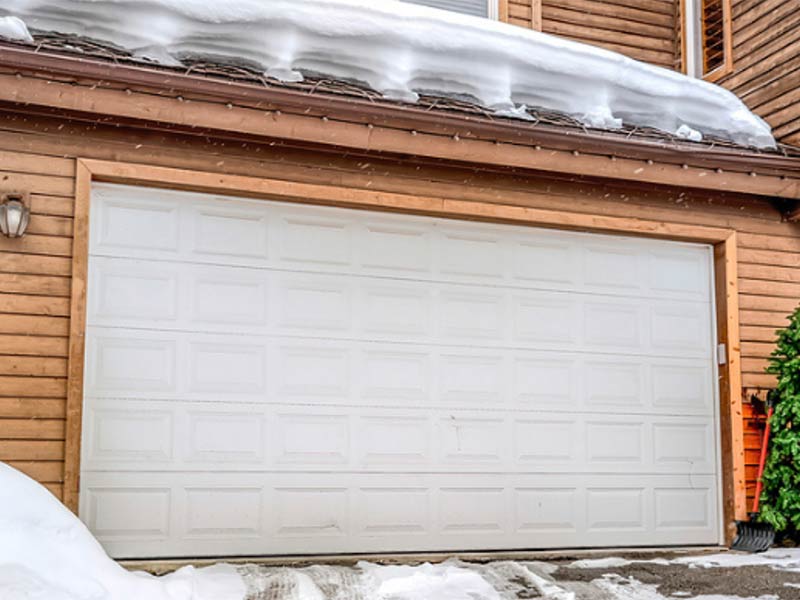
Why Does My Garage Door Get Stuck in Snow?
Before we dive into the solutions, it’s important to understand why your garage door might get stuck in the snow in the first place. There are several common causes:
- Snow Accumulation on the Tracks: Snow and ice can build up around the tracks, preventing the rollers from moving smoothly. If snow is blocking the track or causing the rollers to get stuck, the door will have trouble opening or closing properly.
- Frozen Components: Cold temperatures can freeze metal parts, including the garage door springs, tracks, and cables. When these components are frozen, the door can’t operate smoothly, causing it to get stuck.
- Seal Problems: If the bottom seal of your garage door is damaged or worn, snow and ice can easily sneak underneath and freeze the door in place.
- Cold, Stiff Springs: The metal springs in your garage door can become stiff and brittle in freezing temperatures. This can make it harder for the door to move and might even cause the door to stop functioning altogether.
How to Get Your Garage Door Unstuck From Snow?
If your garage door is stuck in the snow, there are a few things you can try before calling for professional help. However, always be cautious and never force the door open as this can cause damage to the door or its components.
- Clear the Snow and Ice Around the Tracks: Begin by clearing the snow away from the tracks and the bottom of the door. Use a shovel or broom to remove the snow and ice build-up. Be careful not to damage the door or the track while doing so. Once the snow is cleared, try operating the door again to see if it moves more freely.
- Check the Garage Door Seals: Inspect the rubber seals around the edges of the door. If the seal is damaged or cracked, it may be contributing to snow getting under the door and freezing the components. In this case, you may need to replace the seal to prevent further issues.
- Use a Heat Source to Melt the Ice: If the door is frozen shut, you can try using a hairdryer, space heater, or heat gun to warm up the affected parts. Be sure to apply heat slowly and evenly to avoid damaging the door or its components. Focus on areas where ice has accumulated around the tracks or springs.
- Lubricate the Moving Parts: Freezing temperatures can cause the moving parts of your garage door, like the rollers and springs, to stiffen up. Use a silicone-based lubricant to grease the tracks, springs, and rollers. Avoid using WD-40, as it can attract dirt and grime over time. Lubricating the moving parts will help prevent freezing and ensure smoother operation.
- Check the Garage Door Springs: If the springs are frozen, gently tap them with a rubber mallet or a similar tool to help break up the ice. Be cautious with this step—if the springs are severely frozen or damaged, it’s best to call a professional.
How to Prevent Future Snow and Ice Issues With Your Garage Door?
Now that you’ve dealt with the immediate issue, it’s time to think about preventing future problems. Here are a few steps you can take to keep your garage door functioning smoothly through the winter:
- Install a High-Quality Insulation Kit: A well-insulated garage door helps protect against temperature fluctuations, keeping your door operating properly even in extreme cold. Insulation also prevents moisture from getting into the tracks and freezing them.
- Regular Maintenance During Winter: Have your garage door professionally inspected at the start of winter to ensure everything is in good working order. A thorough inspection will catch issues like worn-out seals, damaged springs, or improperly aligned tracks before they cause problems.
- Install a Heated Garage Door System: If you live in an area that regularly experiences heavy snowfall and freezing temperatures, you may want to consider installing a heated garage door system. These systems use electric heating elements to keep the door and tracks warm, preventing snow and ice build-up.
- Use Weatherstripping: Adding weatherstripping to the bottom of your garage door can help prevent snow from getting underneath. Weatherstripping also helps keep your garage warmer and more energy-efficient during the winter months.
- Invest in a Garage Door Sweep: A garage door sweep can be installed at the bottom of the door to help prevent snow and ice from creeping under and freezing the door shut.
When to Call Mr. Garage Doors for Help?
If you’ve tried the above tips and your garage door is still stuck or malfunctioning, it’s time to call in the experts. Our team at Mr. Garage Doors can quickly diagnose and fix any issues caused by snow, ice, or cold temperatures. Whether it’s a frozen spring, misaligned tracks, or an electrical issue with the opener, we’ve got the tools and expertise to get your garage door working again.
Winter weather can be harsh on your garage door, but with a little care and maintenance, you can prevent a stuck garage door from becoming a major issue. If you need assistance with getting your garage door unstuck or preparing it for the colder months, don’t hesitate to reach out to Mr. Garage Doors. Contact us today to schedule an inspection or get help with your garage door repair needs!