Mr Garage Doors of Canada Inc. Winnipeg
204-900-0608

Garage Door Making Loud Noises?
A noisy garage door can be both annoying and concerning. Whether it’s a screeching, grinding, or rattling sound, loud noises coming from your garage door often signal that something is wrong with the door’s components.
Ignoring these noises can lead to more severe damage, or even a complete breakdown of the system, resulting in costly repairs. At Mr. Garage Doors, we understand how frustrating it can be to deal with a noisy garage door, and we’re here to help. In this blog, we’ll break down the possible causes of those annoying sounds, what they could mean, and what steps you can take to resolve the issue before it becomes a bigger problem.
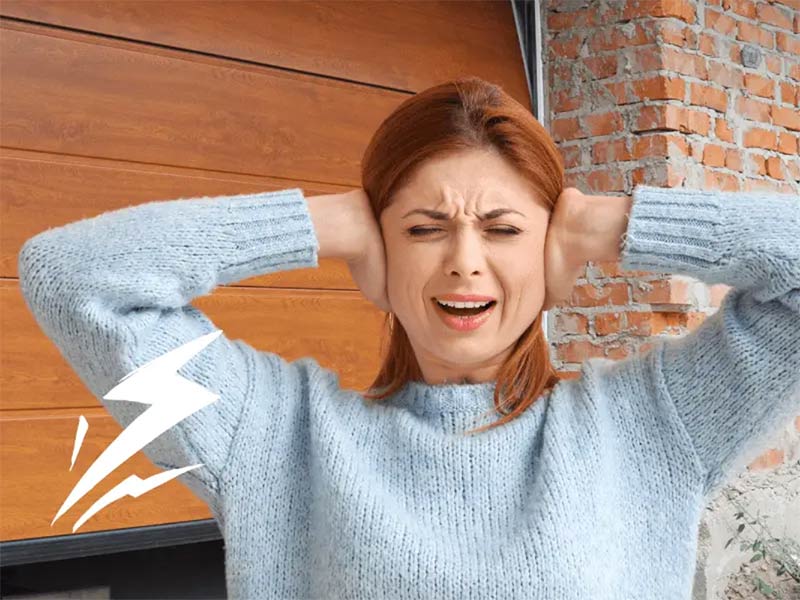
What Are the Common Causes of Loud Garage Door Noises?
Before addressing the noise, it’s important to understand what’s causing it. Garage doors are complex systems with many moving parts, and when one part isn’t functioning properly, it can lead to unwanted sounds. Here are some of the most common causes of loud garage door noises:
- Lack of lubrication: One of the most frequent causes of loud noises is dry or insufficient lubrication on the moving parts, such as the rollers, springs, and tracks. Without lubrication, these parts create friction, causing squeaks, grinding, or scraping noises when the door opens or closes.
- Worn-out or damaged rollers: The rollers are responsible for guiding the garage door along the track. Over time, these rollers can become worn out or damaged, leading to scraping, rattling, or grinding noises. If your rollers are made of steel, they can also rust, causing them to stick or create even more noise.
- Loose hardware: Loose nuts, bolts, or screws can cause parts to rattle, which results in clunking or banging noises when the door operates. Regular wear and tear can loosen the fasteners, especially when the door is used frequently.
- Misaligned or dirty tracks: If the tracks become misaligned or dirty, the garage door may not operate smoothly, which can cause friction and loud grinding sounds. Dirt, debris, or even rust can build up on the tracks, causing the rollers to get stuck or jam, leading to noise.
- Damaged springs: Your garage door’s springs are responsible for helping the door open and close smoothly. If the springs are worn out or broken, they can cause loud popping or snapping noises as the door operates. This can be particularly dangerous, as broken springs can prevent the door from functioning properly or cause it to fall unexpectedly.
- Out-of-balance door: An out-of-balance garage door can cause the opener to work harder than necessary, resulting in noisy operation. This can occur when one of the springs breaks or becomes unbalanced, creating strain on the motor and other components.
- Opener issues: Sometimes, the noise isn’t coming from the door itself, but from the opener mechanism. If the opener’s motor is wearing out, or if the gears inside are stripped, you may hear a grinding or whirring noise. Similarly, the chain or belt drive systems can become loose or misaligned, creating more noise when the door operates.
How Can I Fix the Loud Noise Coming From My Garage Door?
If your garage door is making loud noises, there are several steps you can take to troubleshoot and fix the problem. However, it’s essential to keep in mind that some issues may require the expertise of a professional technician. Here are the steps you can follow to address common noise issues:
- Lubricate the moving parts
Regular lubrication is the easiest and most effective way to reduce squeaks and grinding sounds. Apply a silicone-based lubricant to the following parts: - Rollers: Spray a small amount of lubricant on each roller, being careful not to overspray, which can cause dirt to stick.
- Tracks: Lubricate the tracks along which the rollers move. Be sure to wipe off any excess lubricant so it doesn’t attract dust or dirt.
- Springs: Apply lubricant to the torsion or extension springs to reduce friction and prevent rust.
- Hinges and joints: Make sure to lubricate the hinges and any joints that move when the door opens and closes.
- Inspect and replace the rollers: If the rollers are cracked, rusted, or worn out, they will likely need to be replaced. Steel rollers, in particular, can rust over time, causing them to stick or make a grinding sound. Nylon rollers tend to be quieter and require less maintenance. If you’re unsure whether the rollers need replacing, a professional technician can help assess the condition of the rollers and make replacements as necessary.
- Tighten any loose hardware: Tighten any loose nuts, bolts, or screws along the tracks, hinges, and other components. Use a wrench or screwdriver to ensure all fasteners are secure. This simple step can stop rattling or banging sounds caused by loose hardware. Be careful not to overtighten, as this can lead to other problems.
- Clean the tracks: If the tracks are dirty or clogged with debris, it’s essential to clean them. Use a cloth to wipe away dirt, dust, and grime from the tracks. You can also use a vacuum to remove any small debris from the track grooves. After cleaning, lubricate the tracks as mentioned above to keep them running smoothly.
- Check the door balance: If the door is out of balance, it will put extra strain on the opener and springs, which can cause loud noises. To check the balance, disconnect the opener from the door by pulling the emergency release handle. Manually lift the door halfway. If it doesn’t stay in place or is difficult to lift, the springs may need adjustment or replacement. Note: Adjusting springs is a dangerous task and should always be done by a trained professional.
- Inspect the springs: If you hear popping or snapping sounds, it could indicate that the garage door springs are damaged or broken. Never attempt to repair or replace garage door springs yourself, as they are under high tension and can cause serious injury. Contact a professional technician to inspect and replace the springs safely.
- Examine the garage door opener: If the noise is coming from the opener, inspect the motor, gears, and drive system (chain or belt). If the gears inside the opener are worn or stripped, you may need to replace them. Similarly, if the chain or belt is loose, it may need tightening or replacement. If you’re not comfortable handling these repairs, call a professional for assistance.
Should I Call a Professional to Fix My Noisy Garage Door?
While some issues can be resolved with simple lubrication or tightening, others require professional expertise. If you’ve tried the basic maintenance tips and your garage door is still making loud noises, or if you suspect the problem involves broken springs, a damaged opener, or out-of-balance components, it’s time to call in garage door maintenance professionals.
Professional technicians at Mr. Garage Doors are trained to handle all types of garage door problems safely and efficiently. They have the right tools, experience, and knowledge to diagnose the issue and fix it correctly. Whether it’s replacing worn-out parts or performing a full system check-up, a professional can ensure your garage door operates smoothly without the risk of further damage.
A noisy garage door is more than just a nuisance—it can be a sign that something is wrong with the door’s components. Whether it’s a simple lubrication issue or a more serious problem, addressing the noise promptly can prevent bigger, more expensive problems down the road. Regular maintenance and timely repairs will ensure that your garage door runs quietly and efficiently for years to come.
If you’re dealing with loud garage door noises and aren’t sure how to fix them, don’t hesitate to contact the professionals at Mr. Garage Doors. Our team of experienced technicians can quickly diagnose and resolve any noise-related issues, ensuring your garage door works smoothly and quietly.