Mr Garage Doors of Canada Inc. Winnipeg
204-900-0608

How Snow, Ice, and Road Salt Damage Garage Door Hardware
Winters are often beautiful, but they can be harsh on your home. When the temperature drops and snow starts falling, your house must withstand tough conditions. Many homeowners don’t realize how much winter weather affects their garage doors. Your door’s hardware fights against freezing temperatures, wet snow, and road salt that your car may bring. Understanding the causes of cold-weather garage door damage helps you identify minor problems early. Rely on the experts at Mr. Garage Doors of Canada to help you address these unique challenges.
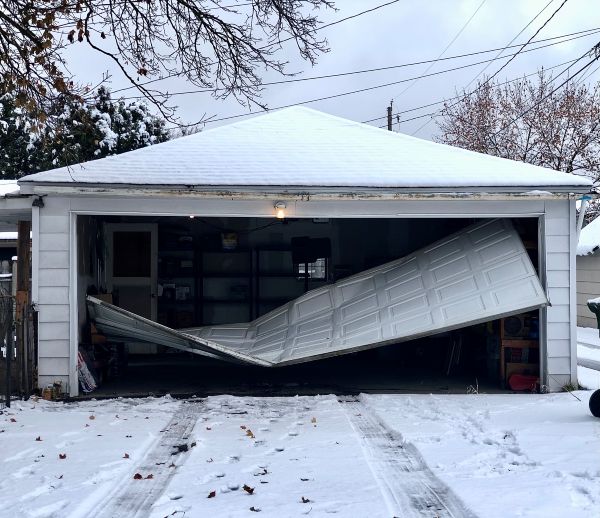
Understanding the Most Common Winter Garage Door Problems
When the cold weather arrives, several issues may appear. Winter garage door problems often include:
- Doors that stick or refuse to open
- Grinding or squeaking noises from the tracks
- Frozen or torn weather seals at the bottom of the door
- Broken tension springs
- Sensors blocked by ice and snow
- Rust forming on the metal tracks and rollers
Why Snow Damages Garage Door Components
Snow looks soft and harmless, but it’s one of the biggest threats to your garage door. Snow damage garage door issues usually result from one of two factors:
The Danger of Added Weight
Snow is incredibly heavy, especially when it’s wet. If snow piles up against the bottom of your garage door, it puts extra stress on the entire system. When you try to open a door that’s blocked by heavy snow, the automatic opener must work twice as hard. This extra strain can burn out the opener’s motor. Snow can also cause the lifting cables to snap under its intense pressure.
The Threat of Moisture
When snow resting against your garage door begins to melt, that water will seep into every tiny crack and crevice. Wooden garage doors can absorb this moisture, causing them to swell, warp, or rot. Meanwhile, trapped moisture is the first step toward rust for metal doors. Moreover, when the water refreezes overnight, it expands and pushes metal joints apart, weakening the whole structure.
The Impact of Ice Buildup on Garage Door Tracks, Rollers, and Seals
Ice buildup on garage door parts is a serious hazard. When melting snow turns into ice, it coats your tracks and rollers. The rollers are supposed to glide smoothly up and down the metal tracks. If those tracks are covered in ice, the rollers can slip, jam, or even derail completely.
Ice also causes significant damage to your weather seals. The rubber seal at the bottom of your door keeps the cold air out. However, if water pools at the bottom of the door and freezes, the rubber seal will freeze directly to the concrete driveway. When you press the door opener button, the opener may rip the rubber seal right off the door.
Freezing Temperatures Affect Springs, Cables, and Openers
Your garage door relies on metal springs and cables to lift its heavy weight. Cold temperatures make metal shrink and become brittle. When the temperature drops well below freezing, the steel springs lose their flexibility. A brittle spring is much more likely to snap under pressure. If a spring breaks, your door won’t open, and it can be very dangerous.
The cold also affects the grease and oil that keep the opener and chain running smoothly. In freezing weather, standard lubricants can thicken and turn into a sticky paste. Instead of helping the parts glide, this thick paste makes the motor work harder, leading to early failure.
Road Salt May Corrode Garage Door Parts Over Time
Cities use road salt to keep streets safe during winter. While salt melts the ice on the road, it’s terrible for your garage door. When you drive your car into the garage, it brings slush and road salt with it. This salty slush splashes onto your garage door tracks, rollers, and hinges.
Road salt garage door corrosion happens quickly. Salt speeds up the oxidation process, turning strong steel into weak, flaky rust. Once rust takes hold of your tracks and hinges, the door will become noisy and jerky. Over time, the rust will eat completely through the metal, forcing you to replace the hardware.
Effects of Repeated Thaw-Freeze Cycles on Garage Door Hardware
Winter weather rarely stays the same all season. You’ll often have days where the snow melts in the sun, followed by freezing nights. This constant thaw-freeze cycle is brutal on garage door hardware.
When water melts, it flows into the tiny spaces inside your hinges, rollers, and track bolts. When the night air cools, that water freezes and expands. Expanding ice has incredible strength. It slowly pushes the bolts and hinges apart. Over a few months of thawing and freezing, the screws will loosen, and your garage door will start to rattle and shake.
Warning Signs of Cold-Weather Garage Door Damage
It’s important to catch winter damage early. You likely need a winter garage door repair if you notice any of the following:
- The door moves more slowly than usual or struggles to open.
- You hear loud grinding, popping, or scraping noises.
- There’s visible rust forming on the tracks or springs.
- The door hangs unevenly or looks crooked on the tracks.
- You see frayed lifting cables or cracks in the rubber weather seal.
Top Garage Door Winter Maintenance Tips
You can protect your system by following a few simple garage door maintenance winter steps:
- Clear the Snow – Shovel snow away from the outside of the garage door so that it doesn’t pile up or freeze to the bottom seal.
- Wipe Down the Hardware – Use a damp rag to wipe salty slush off the tracks, rollers, and hinges to prevent rust.
- Apply Winter Lubricant – Spray a silicone-based garage door lubricant on the moving metal parts. Avoid using thick grease that will harden in the cold.
- Check the Weather Seal – Sweep away puddles from the bottom of the door so that the rubber seal doesn’t freeze to the ground.
The Importance of Regular Garage Door Inspections
The best way to avoid a broken garage door in the middle of a snowstorm is to get a professional inspection. A trained technician can spot brittle springs, rusting cables, and thick lubricants before they cause a breakdown. Regular maintenance ensures your door is balanced and ready to handle the heavy winter workload.
Contact Mr. Garage Doors of Canada for Winter Advice Today
Don’t let snow, ice, or road salt ruin your garage door this winter. The professionals at Mr. Garage Doors of Canada can help you with all of your winter maintenance and repair needs in Western Canada. Contact us today to schedule an inspection.