Mr Garage Doors of Canada Inc. Winnipeg
204-900-0608

Do Garage Doors Need to be Oiled?
Most homeowners don’t think about their garage door until something goes wrong. But a little oil goes a long way toward keeping things running correctly. You should lubricate your garage door regularly to avoid costly repairs down the road. Mr. Garage Doors of Canada can explain why lubrication is so important and what parts need it most.
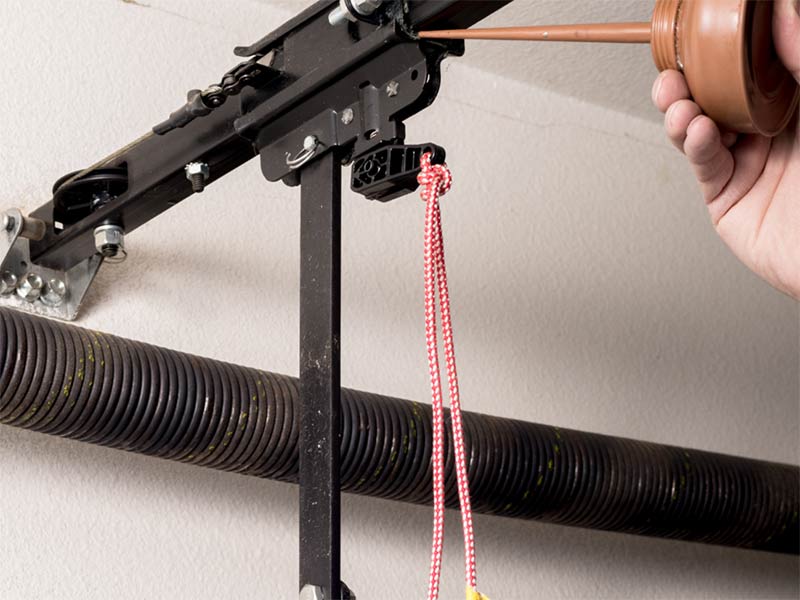
Why Lubrication Is Important for Garage Doors
Your garage door has many moving parts. Every time it opens and closes, those parts rub against each other. Without lubrication, that friction builds up and causes wear and tear faster than it should. Here’s what proper lubrication does for your garage door:
- Reduces Noise – A squeaky or grinding garage door is often a sign that parts are too dry. Oil quiets things down quickly.
- Extends the Life of Your Door – Well-lubricated parts last longer, which means fewer replacements and lower costs over time.
- Prevents Rust – Chain parts are prone to rust, especially in wetter climates. Lubrication creates a protective barrier against moisture.
- Keeps Your Door Moving Smoothly – A properly oiled garage door opens and closes without jerking or sticking.
Which Garage Door Components Need Lubrication?
Not everything on your garage door needs oil, but several key parts do. Focus on:
- Hinges – These connect the panels of your door. Spray lubricant directly onto the hinge pivot points, not the flat surfaces.
- Rollers – If your rollers have ball bearings – as most chain rollers do – they need lubrication. Nylon rollers generally don’t.
- Springs – Torsion springs sit above the door. A light coat of lubricant helps them last longer and operate more quietly.
- Tracks – Wipe the tracks clean, then apply a small amount of lubricant to keep the rollers gliding smoothly.
- Locks and Latches – These benefit from a little lubrication to prevent stiffness or sticking.
- Arm Bar and Bearing Plates – These parts help lift and support your door. A quick spray keeps them moving freely.
Components That Should Not Be Oiled
Some parts of your garage door system should stay dry. Applying oil to these areas can actually cause problems:
- Plastic Parts – Lubricant can degrade certain plastics over time.
- Wiring and Safety Sensors – Oil near these components can interfere with their function or become a safety hazard.
Step-by-Step Garage Door Lubrication Tips
Are you ready to oil your garage door? Follow these steps for the best results:
- Clean the Parts First – Use a damp cloth to wipe down hinges, rollers, and tracks. Remove any dirt, dust, or old lubricant before applying a fresh coat.
- Use the Right Product – Choose a lithium-based or silicone-based spray lubricant.
- Apply Sparingly – A thin, even coat is all you need. Too much lubricant attracts dirt and grime, which can cause new problems.
- Open and Close the Door – After applying lubricant, run the door up and down a few times to work the oil into the moving parts.
- Wipe Away Any Excess – Use a clean cloth to remove any drips or pooling lubricant.
Common Lubrication Mistakes to Avoid
Even with the best intentions, it’s easy to make a mistake. Watch out for these common errors:
- Using the Wrong Lubricant – WD-40 and cooking sprays are not substitutes for proper garage door lubricant. Stick to products made specifically for the job.
- Skipping the Cleanup Step – Applying oil on top of dirt and grime just locks the mess in place.
- Over-Lubricating – More isn’t always better. Excess oil collects debris and can make parts sticky rather than smooth.
- Forgetting the Springs – Springs are among the most important parts to lubricate, and they’re often overlooked.
Additional Maintenance Tips to Extend Your Garage Door’s Lifespan
Lubrication is just one part of keeping your garage door in great shape. A few other habits can make a big difference:
- Check Your Door’s Balance – Disconnect the opener and manually lift the door halfway. If it stays in place, it’s balanced. If it drops, the springs may need adjustment.
- Inspect the Weatherstripping – Damaged or cracked weatherstripping lets in drafts, moisture, and pests. Replace it as needed.
- Tighten Loose Hardware – Over time, vibration can loosen bolts and screws. A quick check every few months helps catch this early.
- Test Your Safety Features – Ensure your auto-reverse function is working by placing a small object under the door. It should reverse before making contact.
You Can Count on Mr. Garage Doors of Canada
Keeping up with garage door maintenance doesn’t have to be complicated. But if you’re not sure where to start – or if something doesn’t look right – it’s always a good idea to call in a professional. Mr. Garage Doors of Canada serves homeowners in Western Canada and is here to help with everything from lubrication to full-service repairs.
FAQ About Garage Door Maintenance
How Often Should a Garage Door Be Lubricated?
We recommend lubricating your garage door at least two to three times per year, but you may want to do so slightly more often due to Canada’s harsh winters.
What Type of Lubrication Should I Use on My Garage Door?
Use a lithium-based or silicone-based spray lubricant. These products are designed to withstand temperature changes and won’t attract dirt the way other options can.
Can Too Much Lubricant Cause Garage Door Problems?
Applying too much oil causes buildup, which attracts grime and can make parts stiff or sticky over time. A thin, even coat is all you need.
Is Professional Garage Door Maintenance Worth It?
Yes. A professional technician can spot issues you might miss, such as worn springs or misaligned tracks, before they become major problems.
Contact Us for Garage Door Lubrication Tips Today
Do you have questions about how to oil your garage door or what’s causing unusual noises? Mr. Garage Doors of Canada can walk you through our garage door maintenance checklist or schedule a service visit at a time that works for you. Contact us today.