Mr Garage Doors of Canada Inc. Winnipeg
204-900-0608

How Often Should Garage Door Springs Be Replaced?
Your garage door depends on a durable system of springs, a chain or belt, a motor, and other components to keep it operating efficiently and reliably. Mr. Garage Doors of Canada specializes in essential services and insights about garage doors and garage door openers, including broken garage door spring replacement. Calgary, Edmonton, Airdrie, and Winnipeg, AB residents have trusted us for years to keep them informed and ensure their garage doors are safe and convenient to use daily. Below is ample information about garage door springs, such as types of springs, their longevity, and knowing when they need replacement.
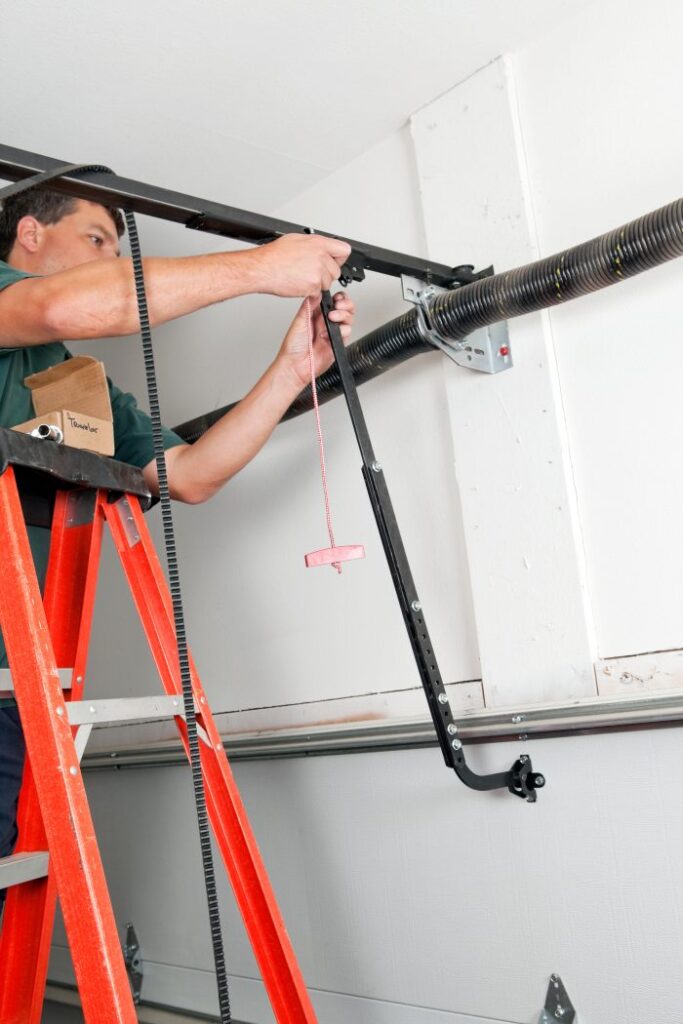
Why Garage Door Springs Are Essential
Garage door springs play a crucial role in the safe, reliable operation of your garage door by counterbalancing its weight and helping it move smoothly. When your garage door opens, the springs release stored energy to assist with lifting. Conversely, when the door closes, these springs help control its descent. This continuous support reduces strain on your door opener, improves overall performance, and helps prevent uneven movement. Properly functioning springs make the door easier to operate while enhancing safety and contributing to a longer-lasting garage door system that you can depend on every day.
Types of Garage Door Springs
Garage door springs are a vital part of residential garage door systems across Canada. Understanding the common spring types can help homeowners make informed decisions about maintenance, performance, safety, and longevity. Common types of garage door springs include the following:
- Torsion Springs – These springs are mounted above your garage door and use stored torque to lift and lower the door smoothly. They provide excellent balance, durability, and long-term reliability.
- Extension Springs – Installed along the sides of your garage door, these springs stretch and contract while your garage door operates. They’re commonly used on lighter doors and offer a cost-effective solution.
How Long Do Garage Door Springs Typically Last?
Garage door springs typically last between seven and 12 years. However, their lifespan depends more on usage than age alone. Every time the door opens and closes, the springs complete a cycle, which leads to them gradually wearing down over time. Homes that use the garage as a primary entrance may experience faster spring wear because of more frequent operation. Canadian weather can also affect longevity, as moisture, temperature swings, and road salt may contribute to corrosion. Regular maintenance, proper lubrication, correct door balance, and prompt repairs can help extend spring life and keep your garage door operating smoothly and safely.
Factors That Affect Garage Door Spring Lifespan
Garage door spring lifespan depends on several factors, including usage, maintenance, and environmental conditions. Springs that operate multiple times a day generally wear out sooner because each opening and closing cycle adds stress to the chain drive. Rust, moisture, poor lubrication, and an unbalanced garage door can also accelerate wear and tear and increase the risk of premature failure. On the other hand, routine inspections, proper lubrication, balanced door operation, and high-quality spring materials can help reduce strain and extend service life. Regular professional maintenance often helps homeowners get the most value from their garage door system.
Signs Your Garage Door Springs Need Replacement
Several warning signs can indicate your garage door springs are nearing the end of their useful lifespan. Some visible clues include rust, gaps in the coils, stretching, cracks, or other damage that affects the spring’s shape and strength. Less obvious indicators often appear in your garage door’s performance, such as slow movement, uneven operation, excessive noise, or a door that feels unusually heavy when lifted. Age is another important factor because garage door springs gradually weaken after years of repeated use. If your garage door struggles to open smoothly or no longer operates consistently, worn springs may be the cause. They should be inspected and addressed promptly by professionals like Mr. Garage Doors of Canada.
How Often Should Garage Door Springs Be Replaced?
Garage door springs are not replaced on a fixed schedule, but many homeowners find replacement becomes necessary after roughly seven to 12 years of normal use. The exact timeline can vary significantly because springs wear out based on opening-and-closing cycles instead of age as a standalone factor. Frequent daily operation can shorten their lifespan, while lighter use may help them last longer. Harsh Canadian weather, including moisture, road salt, and temperature fluctuations, can also accelerate corrosion and wear. Regular maintenance and lubrication can help maximize spring longevity and delay the need for replacement.
Mr. Garage Doors of Canada Is Ready to Help
Now that you understand your garage door springs better, you can make choices about maintenance and replacement more confidently. Mr. Garage Doors of Canada proudly serves countless Alberta residents with a broad range of garage door styles, sizes, and configurations. We’ll gladly help you get the longest life and best performance out of your springs, opener, and door through vital maintenance, repairs, enhancements, and security updates. When you’re ready to schedule a service visit at your property, don’t hesitate to contact us anytime for expert garage door solutions.
Answers to Common Garage Door Spring Questions
Is It Common for Garage Door Springs to Break?
Yes, garage door springs commonly break over time because they endure constant tension during daily operation. Repeated opening and closing cycles gradually wear down the chain drive until replacement becomes necessary.
How Can I Make My Garage Door Springs Last Longer?
Regular maintenance can help extend your springs’ life. Lubricating moving parts, keeping your garage door balanced, scheduling inspections, and addressing minor issues promptly all reduce strain and unnecessary wear and tear.
Can I Replace My Garage Door Springs Myself?
While some homeowners attempt spring replacement, it’s generally not recommended. Garage door springs are under constant significant tension, and improper handling can result in serious injury or property damage.
Is It Safe to Use a Garage Door With a Broken Spring?
No, operating a garage door with a broken spring is unsafe. The door may become difficult to control, place excessive stress on the opener, or suddenly move unexpectedly.
Should Both Garage Door Springs Be Replaced at the Same Time?
In most cases, replacing both springs together is the best option. Since they usually experience similar wear, changing both springs simultaneously helps maintain balance, improve reliability, and reduce the need for future repair visits.