Winnipeg 204-900-0608

How to Prevent Your Garage Door From Damage in Winter?
Winter weather can be hard on your garage door. The cold temperatures, snow, ice, and strong winds can all cause damage and affect its performance. Your garage door is not just a way to get in and out of your garage; it also provides security, insulation, and convenience. When it malfunctions or breaks down due to winter conditions, it can lead to significant disruptions and costly repairs.
At Mr. Garage Doors, we know how important it is to keep your garage door in good condition all year long, especially during the colder months. In this blog post, we’ll walk you through the most common winter-related problems and share tips for preventing damage to your garage door this season.
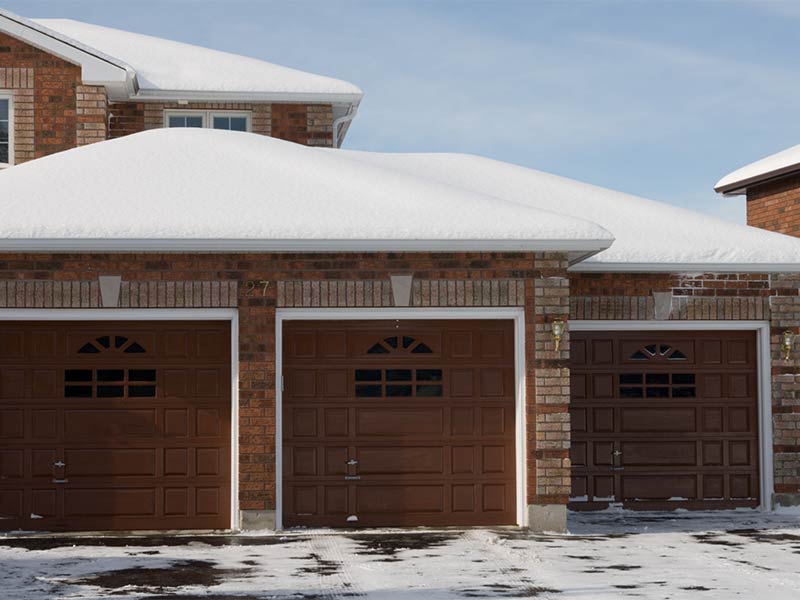
Why Is Winter Hard on Garage Doors?
Before we dive into solutions, let’s understand why winter weather can be tough on your garage door. Garage doors are typically made from metal, wood, or fiberglass, all of which can be affected by extreme cold. When the temperature drops, several things can go wrong, including the door getting stuck, becoming hard to operate, or even breaking. Below are some of the most common issues that arise in winter:
- Metal contraction: Cold weather causes metal parts, such as the springs and tracks, to contract. This can lead to misalignment or damage, making the door harder to operate.
- Frozen weather seals: The rubber seals around your garage door can freeze in cold weather. This makes it harder for the door to close properly and can allow cold air, snow, and water to enter the garage.
- Battery drain: Cold temperatures can drain the batteries in your garage door opener more quickly. This can prevent the opener from functioning correctly.
- Lubrication problems: Cold weather can cause the lubricants on the moving parts of your garage door to thicken or freeze. This can lead to stiffness and difficulty in operating the door.
- Ice and snow buildup: Snow and ice can accumulate around the base of the door, preventing it from opening or closing properly. If not removed, this buildup can also damage the door itself.
By taking a few simple steps to maintain and protect your garage door, you can avoid these problems and ensure your garage door operates smoothly all winter long.
How Can You Inspect Your Garage Door to Prevent Winter Damage?
One of the most important steps in preparing your garage door for winter is to perform a thorough inspection. Catching small issues before they become big problems can save you time and money. Regular inspections can help you identify worn-out parts or areas that need maintenance before the cold weather exacerbates them. Here are the key areas to inspect:
- Springs: Garage door springs are under a lot of tension, and they can become weaker over time, especially in cold temperatures. Look for any signs of rust, cracks, or damage. If you notice any issues, it’s best to have the springs replaced before they break.
- Tracks and rollers: The tracks should be clear of any dirt or debris. A buildup of grime can cause the door to become misaligned, leading to sticking or binding. Check the rollers to make sure they are moving freely and are not cracked or worn.
- Weatherstripping: Inspect the rubber seals along the bottom and sides of the door. These seals help keep out drafts, snow, and rain. If you notice any cracks or gaps, it’s time to replace the weatherstripping to ensure the door closes properly.
- Cables: Check the cables for signs of fraying or wear. Cables are essential for the proper functioning of the door, and any damage to them can cause serious problems.
- Panels and frame: Look for any cracks, dents, or signs of wear on the door panels and frame. In extreme cold, materials like wood can become brittle, and metal doors can expand and contract, potentially causing damage.
If you notice any of these issues, it’s a good idea to contact a professional to handle repairs or replacements before the temperature drops even further.
Why Is Lubrication Important for Your Garage Door in Winter?
Lubricating the moving parts of your garage door is essential, especially during the winter months. Cold temperatures can cause lubricants to thicken or freeze, which can lead to stiffness and poor performance. If the door’s moving parts aren’t properly lubricated, they’ll have to work harder, putting strain on the door opener and other components.
Here’s a breakdown of the parts that need lubrication:
- Tracks: Apply a silicone-based lubricant to the tracks to keep them smooth and free from rust. A well-lubricated track will ensure the door moves smoothly and doesn’t get stuck due to ice or dirt buildup.
- Rollers: Lubricate the rollers to ensure they can move freely without friction. Over time, dirt can build up on the rollers, causing them to become stiff. Applying lubricant helps prevent this and allows for smoother operation.
- Springs: The springs on your garage door bear a lot of weight, especially in winter. Lubricating them helps reduce friction, prevents rust, and keeps the door balanced and easy to open.
- Hinges and other moving parts: Don’t forget the hinges, cables, and other moving parts. A little bit of lubrication on these components can make a big difference in performance.
How Can You Clear Snow and Ice Around Your Garage Door?
Snow and ice buildup can cause significant problems for your garage door during the winter. If snow or ice accumulates around the bottom of the door, it can prevent it from opening or closing properly. Additionally, the moisture can freeze the door’s moving parts or damage the seals.
Here’s how you can manage snow and ice around your garage door:
- Shovel regularly: After each snowfall, clear the snow in front of your garage door to prevent it from freezing or becoming packed down. The more often you shovel, the easier it will be to remove snow before it becomes a bigger issue.
- Use a snowblower: If you have a large driveway or if snow accumulates quickly, using a snowblower can help you clear the area around your garage door faster and more efficiently.
- De-icing products: If you’re dealing with ice buildup around the door, you can use a safe de-icing product to help melt it. Be sure to use a product that is safe for your garage floor and won’t cause any damage to the door or its components.
- Avoid using salt: While salt can melt ice, it can also damage your driveway and the bottom of your garage door. It may also rust the door’s metal components over time. Instead, use sand, gravel, or a non-corrosive de-icer.
Be sure to remove any ice from the tracks or the area around the door, as this can cause the door to become stuck or jammed.
How Can You Improve the Insulation of Your Garage Door?
A well-insulated garage door helps regulate the temperature inside your garage, making it easier to keep your garage warm and preventing damage caused by extreme temperatures. Insulation also reduces the strain on your heating system and can lead to savings on energy bills.
There are several ways to improve the insulation of your garage door:
- Upgrade to an insulated door: If your garage door is old or you’re replacing it, consider upgrading to a modern, insulated model. Many newer garage doors are made with foam insulation, which can help keep out the cold and reduce energy costs.
- Install insulation kits: If replacing your garage door isn’t an option, you can install an insulation kit. These kits typically contain foam panels that fit inside the door’s panels to improve its insulation. It’s a cost-effective way to add some protection against the cold.
- Add weatherstripping: Insulation alone isn’t enough to keep the cold out. Be sure to replace or add weatherstripping around the edges of the door. This will help keep cold air from leaking in around the edges and will provide an extra layer of protection against snow and rain.
How Can You Maintain Your Garage Door Opener in Winter?
In addition to taking care of the door itself, don’t forget to maintain your garage door opener, especially during the winter months. Cold temperatures can affect the performance of your opener, and regular maintenance will ensure it operates smoothly when you need it most.
Here are some tips for maintaining your garage door opener in winter:
- Check the battery: Cold weather can drain batteries faster. Be sure to check and replace the battery if it’s showing signs of weakness. A charged battery will ensure the opener works properly in cold weather.
- Test the motor: Listen for any unusual noises when the opener runs. If you hear grinding, popping, or other concerning sounds, it may be a sign that the motor or gears need lubrication or adjustment.
- Inspect safety sensors: Make sure the safety sensors are clean and unobstructed. Snow or dirt can block the sensors, preventing the door from opening or closing correctly.
- Test the reverse feature: To ensure safety, always test the door’s reverse function. Place an object in the door’s path and make sure it reverses automatically when it comes into contact with the object.
At Mr. Garage Doors, we specialize in garage door repairs, maintenance, and installations. Whether you need help with inspections, lubrication, or upgrading your door for better insulation, our expert technicians are here to assist. Don’t wait until the cold weather takes a toll on your garage door—contact us today to schedule a winter maintenance check and ensure your garage door is ready for whatever winter throws its way. Request a quote or visit our website to schedule your winter garage door inspection and maintenance service!